Source Bolt On Electrical System Truck Parts for Repairs
Compare 30 listings for bolt on electrical system truck parts sourced from China. Buyers can review specifications like steel construction, zinc plating, and OEM styles to find suitable replacement components for heavy-duty vehicles; compare the available evidence and request quotations based on your requirements.
Key considerations
Products List


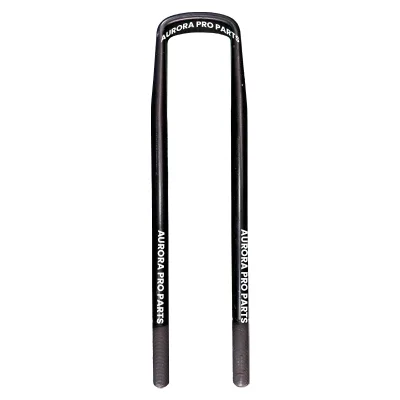


Comprehensive Sourcing Guide
Bolt On Electrical System Truck Parts Sourcing Guide
Sourcing bolt-on electrical components for heavy-duty trucks requires a disciplined approach to verifying compatibility and structural integrity. Buyers must prioritize parts that align with OEM specifications to ensure seamless integration into existing vehicle architectures. The observed market signals indicate a strong availability of steel-based components, often finished with priming or zinc plating to withstand harsh operational environments. These material choices are critical for maintaining conductivity and preventing corrosion in high-vibration settings. Procurement teams should focus on identifying suppliers who explicitly state their adherence to these material standards, as deviations can lead to premature failure and costly downtime.
The procurement landscape for these parts is characterized by a wide range of customization options and diverse packaging methods. Listings frequently highlight the ability to provide mechanical test reports and adhere to specific industry certifications, which serves as a baseline for quality assurance. Buyers should scrutinize the distinction between non-bearing body structures and load-bearing elements, as this affects the mounting strategy and long-term durability. Understanding the specific installation method, particularly bolt-on configurations, is essential for minimizing assembly time and reducing the risk of installation errors. This guide outlines the critical verification steps necessary to secure reliable supply chains for these vital truck components.
Product Scope and Observed Listing Signals
The current market for bolt-on electrical system truck parts exhibits a broad spectrum of product attributes, ranging from simple structural brackets to complex mechanical assemblies. Observed listings frequently feature steel and iron materials, with finishes such as primed surfaces or zinc plating to enhance corrosion resistance. These surface treatments are vital for components exposed to the elements, ensuring longevity and maintaining electrical integrity over time. Buyers should note that while many items are described as new and intended for replacement or repair, the specific application scope varies significantly. It is crucial to verify whether a part is designed for a specific axle configuration or tire setup, as these factors directly influence compatibility with the target vehicle model.
Packaging and origin details provide additional context for logistics planning and quality expectations. Many suppliers indicate origins in regions like Shandong, China, and offer packaging solutions ranging from small boxes to palletized bulk shipments. The observed dimensions for some packaging suggest that buyers must account for significant volumetric weight when calculating freight costs. Furthermore, the availability of customization services allows for tailored solutions that may not be off-the-shelf. Procurement teams should leverage these signals to negotiate terms that align with their inventory management strategies, ensuring that the received goods meet both functional requirements and logistical constraints without unexpected delays or damage.
Technical Specifications to Verify
Verifying technical specifications is paramount when sourcing bolt-on electrical components, particularly regarding material composition and manufacturing processes. Buyers must confirm that the parts are constructed from high-grade steel or iron, as specified in trusted category knowledge, to ensure structural reliability. The manufacturing techniques, such as cold forging, hot forging, and machining, significantly impact the part's strength and precision. It is essential to request detailed documentation on these processes to guarantee that the components can withstand the mechanical stresses of heavy-duty truck operations. Additionally, the absence of ABS in certain listings indicates that buyers must carefully assess whether the electrical system requires additional sensors or control modules for proper functionality.
Dimensional accuracy and model compatibility are critical factors that cannot be overlooked during the verification phase. The observed data includes specific model numbers and standard designations, which serve as reference points for cross-referencing with vehicle service manuals. Buyers should verify that the part dimensions, such as diameter or mounting hole spacing, match the original equipment specifications exactly. The weight of individual components, often listed around 0.135kg, may seem negligible but contributes to the overall mass and balance of the assembly. Ensuring that the mechanical test reports are available and reviewed by engineering teams can provide confidence in the part's performance under load, preventing unexpected failures in the field.
Compliance and Safety Documentation
Compliance with international standards is a non-negotiable aspect of sourcing truck parts, particularly those involving electrical systems and structural integrity. Buyers should insist on documentation that verifies adherence to recognized certifications such as ISO/TS, CCC, COP, ISO9001, CE, E-Mark, RoHS, and TS16949. These certifications indicate that the supplier has implemented robust quality management systems and meets specific regulatory requirements for safety and environmental impact. The presence of these credentials suggests a higher level of accountability and traceability, which is crucial for maintaining fleet reliability and avoiding legal liabilities. Procurement teams must ensure that the certificates are current and issued by accredited bodies to guarantee their validity.
In addition to certifications, mechanical test reports and discharge standards provide further assurance of product quality. The ability to provide mechanical test reports allows buyers to validate the part's performance under simulated operating conditions. For components related to engine or exhaust systems, verifying compliance with discharge standards such as Euro II is essential for regulatory compliance in various markets. Buyers should also confirm that the parts are non-standard components where applicable, as this may require additional validation steps. Ensuring that all documentation is complete and accurate before placing orders helps mitigate risks associated with non-compliant products and ensures a smoother customs clearance process.
Cost Drivers and Commercial Terms
Understanding the cost drivers for bolt-on electrical system truck parts is essential for effective budgeting and negotiation. The price range observed in the market, from low-cost items to high-value assemblies, reflects variations in material quality, manufacturing complexity, and certification levels. Buyers should analyze the cost implications of different finishes, such as zinc plating versus priming, and the impact of forging processes on the final price. Additionally, the MOQ values, which can range from single units to large batches, influence the unit cost and inventory holding expenses. Procurement teams should leverage these insights to negotiate favorable terms that align with their volume requirements and cash flow constraints.
Commercial terms, including lead times and packaging specifications, also play a significant role in the total cost of ownership. The observed lead time of 30 days for some items indicates a moderate production cycle, which buyers must factor into their supply chain planning. Packaging methods, ranging from simple cartons to customized pallets, affect handling costs and the risk of damage during transit. Buyers should clarify these terms in the purchase agreement to avoid unexpected charges or delays. Furthermore, the availability of customization services may incur additional costs, so it is important to assess whether the benefits of customization outweigh the associated expenses. Clear communication of these terms ensures transparency and facilitates smoother transactions.
Supplier Qualification and Quality Control
Supplier qualification is a critical step in ensuring the reliability and consistency of bolt-on electrical system truck parts. Buyers should conduct thorough due diligence to verify the supplier's manufacturing capabilities, quality control processes, and financial stability. The presence of certifications such as ISO9001 and TS16949 is a strong indicator of a supplier's commitment to quality management. However, buyers should also request site audits or third-party inspections to validate these claims and assess the actual production environment. Engaging with suppliers who have a proven track record in the automotive industry can reduce the risk of receiving substandard products and ensure a more stable supply chain.
Quality control measures must be integrated into the procurement process to maintain high standards. Buyers should establish clear acceptance criteria based on technical specifications and compliance documentation. Implementing incoming inspection protocols can help identify defects early in the supply chain, preventing costly rework or field failures. Collaboration with suppliers on continuous improvement initiatives can also enhance product quality over time. Additionally, buyers should maintain open communication channels to address any issues promptly and ensure that corrective actions are implemented effectively. By prioritizing supplier qualification and rigorous quality control, procurement teams can secure a reliable source of high-quality truck parts that meet their operational needs.
Long-Term Procurement Checks
Long-term procurement success depends on regular performance reviews and continuous improvement strategies. Buyers should establish key performance indicators (KPIs) to monitor supplier performance, including on-time delivery rates, defect rates, and responsiveness to issues. Regular audits and feedback sessions can help identify areas for improvement and strengthen the partnership. Additionally, staying informed about industry trends and technological advancements can help buyers anticipate future needs and adapt their sourcing strategies accordingly. By maintaining a proactive approach to supplier management, procurement teams can ensure a resilient and efficient supply chain that supports the long-term operational goals of the organization.
Risk management is another critical aspect of long-term procurement. Buyers should diversify their supplier base to mitigate the risk of supply disruptions and price volatility. Developing contingency plans for potential disruptions, such as natural disasters or geopolitical events, can help maintain business continuity. Furthermore, fostering strong relationships with suppliers can lead to better collaboration and innovation, resulting in improved products and services. By focusing on long-term partnerships and strategic risk management, procurement teams can create a sustainable sourcing model that delivers value and supports the growth of the business. This approach ensures that the organization remains competitive and resilient in a dynamic market environment.
FAQs
What material is used for these truck spare parts?
These truck spare parts are manufactured from high-quality steel and iron materials. The components feature a primed finish with zinc plating for enhanced corrosion resistance. This durable construction ensures longevity and reliability for heavy-duty replacement and repair applications in commercial vehicle maintenance.
Can these parts be customized for specific truck models?
Yes, customization is available for these truck spare parts to meet specific requirements. The products follow OEM style standards and can be tailored to fit various vehicle configurations. Buyers can request specific modifications to ensure perfect compatibility with their existing fleet equipment and operational needs.
What certifications do these electrical system parts hold?
These parts hold comprehensive certifications including ISO/TS, CCC, COP, ISO9001, CE, E-Mark, RoHS, and TS16949. These credentials verify compliance with international quality and safety standards. The certifications ensure that the components meet rigorous manufacturing requirements for global markets and regulatory compliance in various regions.
How long is the lead time for orders?
The standard lead time for these orders is approximately 30 days. This duration allows for proper manufacturing, quality control, and packaging processes. Buyers should plan their procurement schedules accordingly to ensure timely delivery for their replacement and repair needs without causing operational delays in their fleet management.
What is the minimum order quantity for these parts?
The minimum order quantity ranges from 1 to 10,000 units depending on the specific item. This flexible MOQ structure accommodates both small repair needs and large-scale fleet procurement. Buyers can order single units for immediate replacement or bulk quantities for inventory stocking and long-term supply chain stability.
Where are these truck parts manufactured and shipped from?
These truck parts are manufactured in China, specifically originating from Shandong and Shan Dong regions. The products are packaged securely using pallets, boxes, and cartons for safe transit. This origin ensures access to established manufacturing hubs with robust supply chains for efficient global distribution and logistics management.